
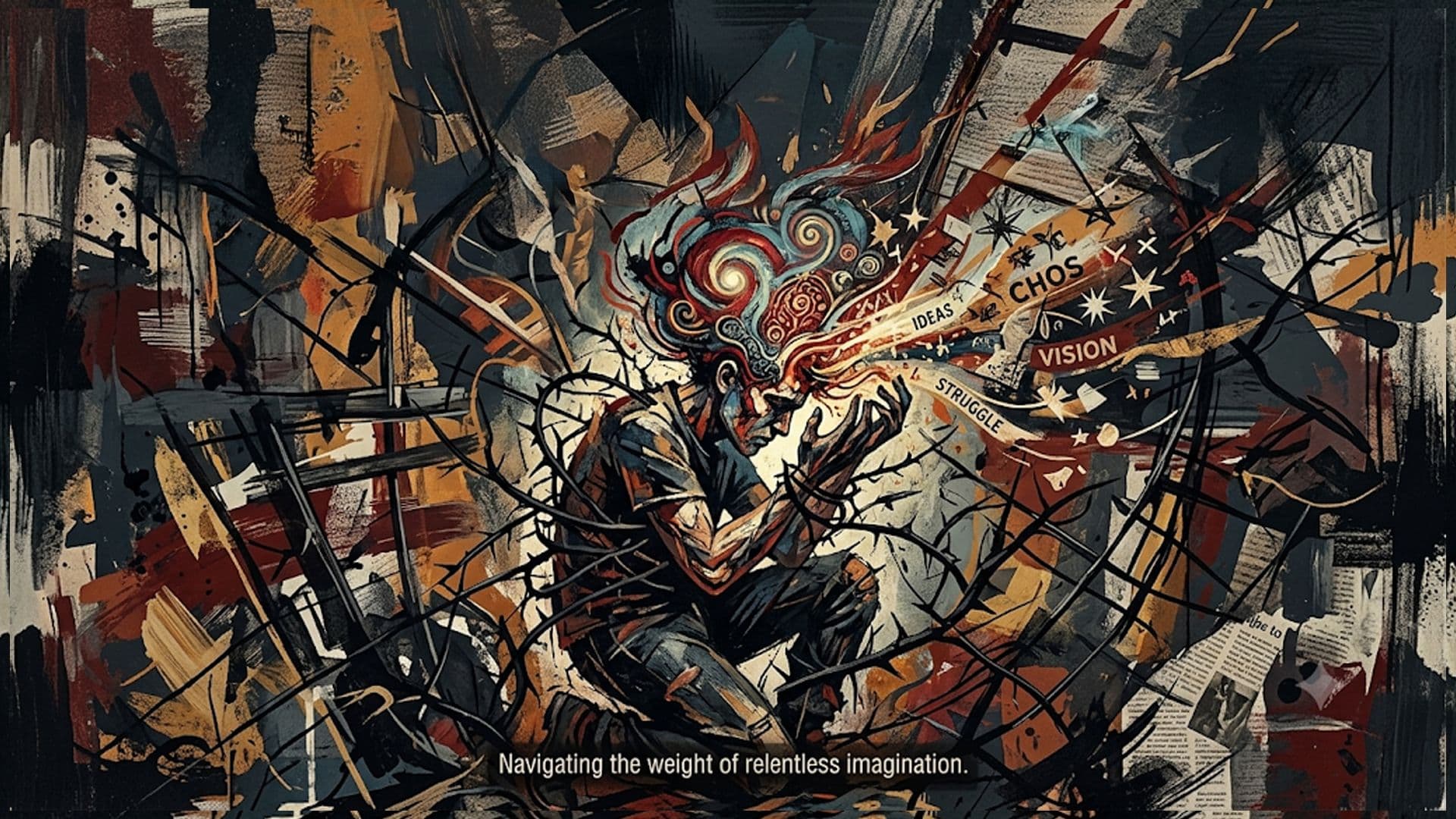
After more than a decade working as a graphic designer, I've learned something interesting about creativity:
Everyone thinks they're a creative director.
It's one of the few professions where expertise is often quietly ignored.
A designer can spend hours refining typography, adjusting colour balance, aligning elements, and shaping a visual story that communicates a message clearly.
Then the work enters a meeting room.
And within minutes, the feedback begins:
"Can we make the logo bigger?"
"I don't really like that colour."
"Let's try another font."
"This doesn't feel right to me."
Anyone who has worked in design, photography, film, writing, or advertising knows this moment.
The Difference Between Opinion and Expertise
To be fair, stakeholders absolutely have the right to question and contribute. Creative work exists to serve a business goal.
But there's an important distinction that often gets lost:
Personal taste is not the same as strategic creative thinking.
Behind most effective creative work is not random inspiration.
It's a process built on:
- Research
- Audience insight
- Brand strategy
- Storytelling
- Design principles
Every colour, layout, font, and visual element is usually chosen for a reason.
Yet because creative work is visual and emotional, it's often judged through individual preference rather than communication strategy.
When Too Many Opinions Enter the Room
When creative decisions become driven by personal preference, something predictable happens.
A clear idea becomes diluted.
A bold concept becomes a compromise.
What began as focused communication slowly turns into something many creatives know all too well:
Design by committee.
The problem isn't creativity itself.
The problem is how organisations manage creativity.
Why Brand Clarity Changes Everything
One of the simplest solutions is brand clarity.
When organisations have:
- Clear brand positioning
- A defined communication style
- A strong visual identity
- Clear decision-making authority
Creative work becomes much easier to evaluate.
Instead of asking:
"Do I like this?"
The conversation shifts to:
"Does this communicate what our brand stands for?"
And that small shift changes everything.
Creativity Is a Business Function
In business, creativity is not art for art's sake.
Its purpose is to:
- Communicate
- Persuade
- Differentiate
- Create impact
Like every other professional discipline, it is built on experience, expertise, and structured thinking.
We trust lawyers with legal interpretation.
We trust engineers with technical systems.
We trust doctors with medical decisions.
Creative professionals deserve the same trust when it comes to how brands communicate visually and emotionally.
The Real Challenge
The real challenge is not creativity.
It is learning how organisations understand and manage creativity.
Because without structure, creativity remains vulnerable to its own curse:
The belief that because everyone can see it, everyone automatically understands how it should work.
A Question Worth Reflecting On
Where should the line be drawn between stakeholder input and creative expertise?