Just yesterday, I was a young dreamer in Kenya. Today, I am learning, building, and thriving in Ghana. This was not just a geographical shift; it was a bold leap into a new country, different cultures, and a world of fresh perspectives. From being an employee to building my own business, every step has been a profound learning experience, and I am incredibly grateful for it all.
Looking back, it is clear: time truly flies when you are on an incredible journey of growth and discovery. My career and entrepreneurial journey is a testament to a simple truth: opportunities are everywhere, but they often require us to be daring enough to step outside our comfort zones to seize them. This is about being agile, adapting to new environments, and embracing the unknown. This journey has taught me a profound truth that applies to every business: the product you sell is no longer the main reason customers choose you. What if the "thing" you sell is no longer the most important currency?
As a founder and an "Experience Maven," I have spent years immersed in this shift, and I can tell you it is a fundamental reorientation of how we do business. The companies that are winning today are not just selling products; they are selling feelings and unforgettable moments.
This is the essence of the Experience Economy. The market is saturated with noise, and traditional marketing tactics, from banner ads to broadcast promotions, are losing their power. Consumers are no longer impressed by what you say; they are captivated by what you do and how you make them feel.
From Storytelling to Brand Action
For decades, the golden rule of marketing was storytelling. Brands told compelling stories about their history, their mission, and their values, hoping to build an emotional connection. And while storytelling remains a vital tool, it is no longer enough. In an era of rampant information and consumer skepticism, people have grown tired of being spoken to. They want to be spoken with.
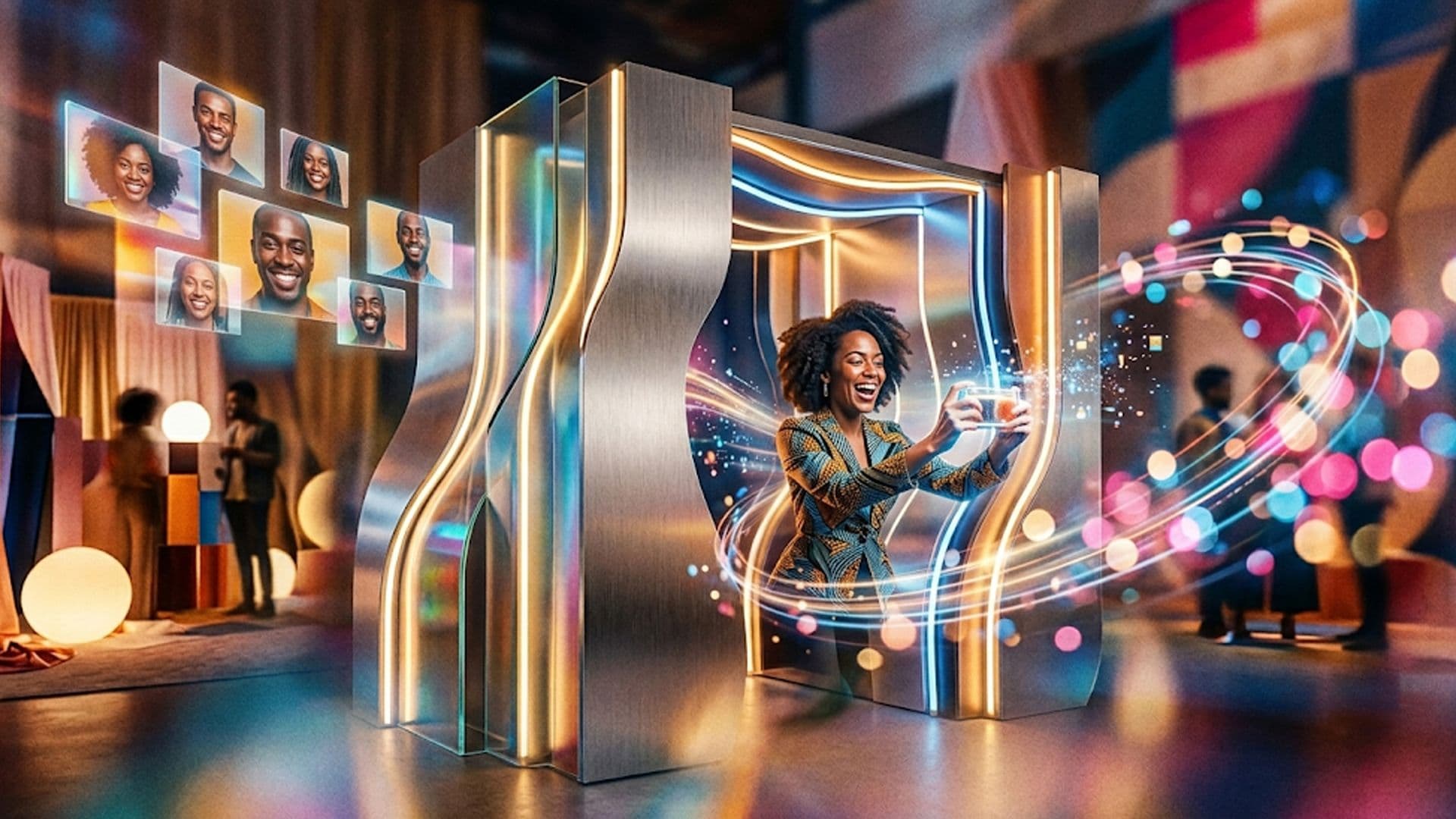
This is where we move from passive storytelling to Brand Action. Brand Action is the art of creating tangible, live, and immersive moments that do not just tell your brand story; they prove it. Instead of broadcasting a message to a passive audience, you invite them to become an active participant in your narrative.
A perfect local example is a pop-up market that brings a food brand to life, not just with samples, but with cooking classes and chef meet-and-greets. The experience transforms a simple transaction into a memorable event. You are not just selling a product; you are building a community and an experience that people will talk about long after the event is over.
A Tale of Two Strategies: The Comparison
At its core, the difference between these two approaches is simple: one is about what you say, and the other is about what you do. Storytelling is consumed. It lives on a billboard or in a 30-second television ad. It is a one-way conversation where you tell the world how great you are. Brand Action is felt. It lives in a moment, an event, or an interactive space. It is a two-way dialogue where your actions build trust and prove your authenticity.
In the Experience Economy, this difference is your most significant competitive advantage. The businesses that will thrive are the ones that understand that every touchpoint from a customer's first visit to your website to their unboxing experience is an opportunity to create a feeling.
The Path Forward
So, how do you make the shift?
First, conduct an honest audit of your customer journey. Identify every single touchpoint and ask yourself, "Is this just a transaction, or is it an experience?"
Second, adopt a new mindset. Stop thinking of marketing as a department responsible for ads and social media posts. Instead, see it as the sum of every interaction and feeling your customer has with your brand.
The future of business is not about selling things; it is about creating moments. The companies that embrace this truth will not only survive but also lead, building brands that are not just seen but truly felt.